
02 — Business Club · 纳思商业模拟社
Learning business by actually doing it.
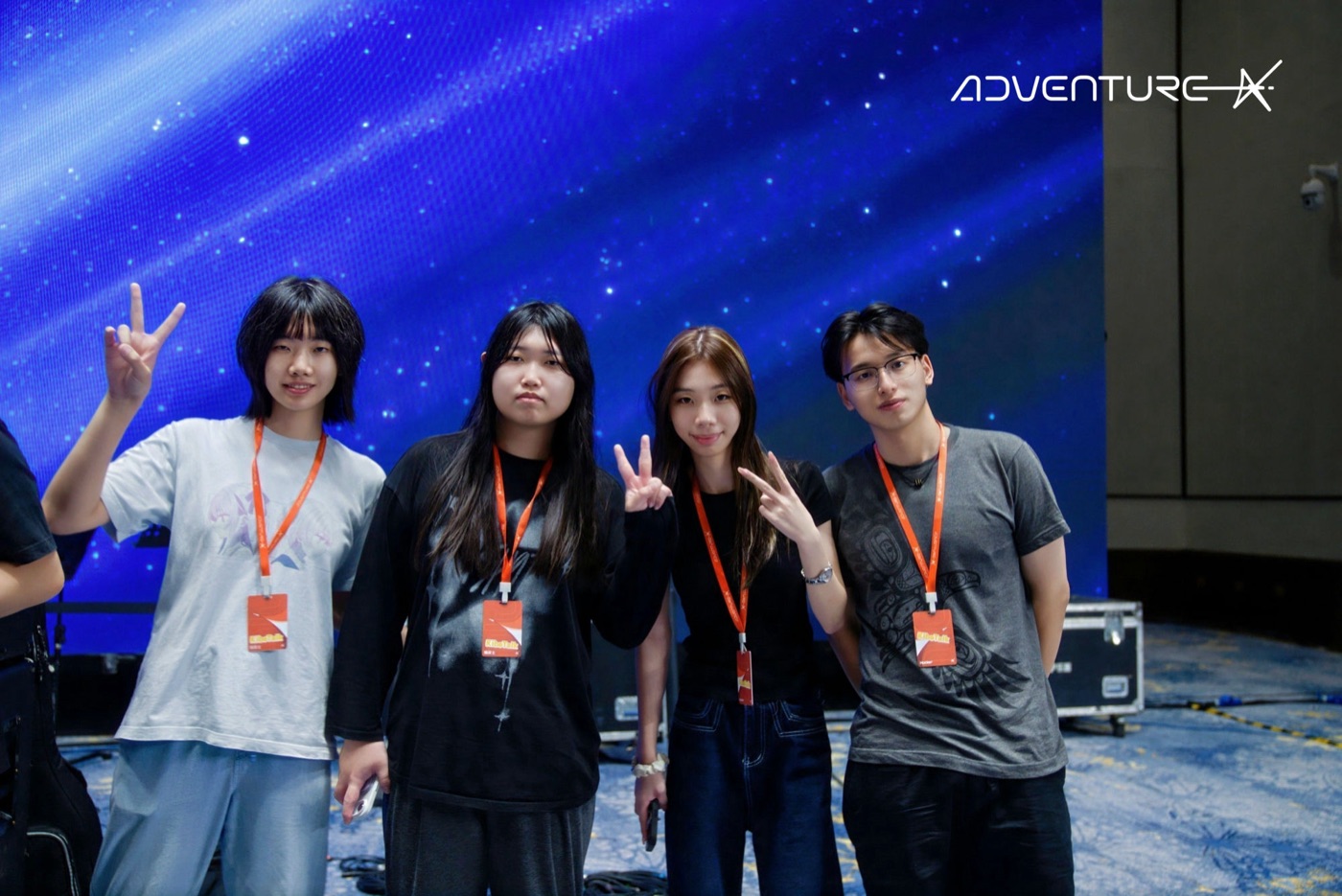
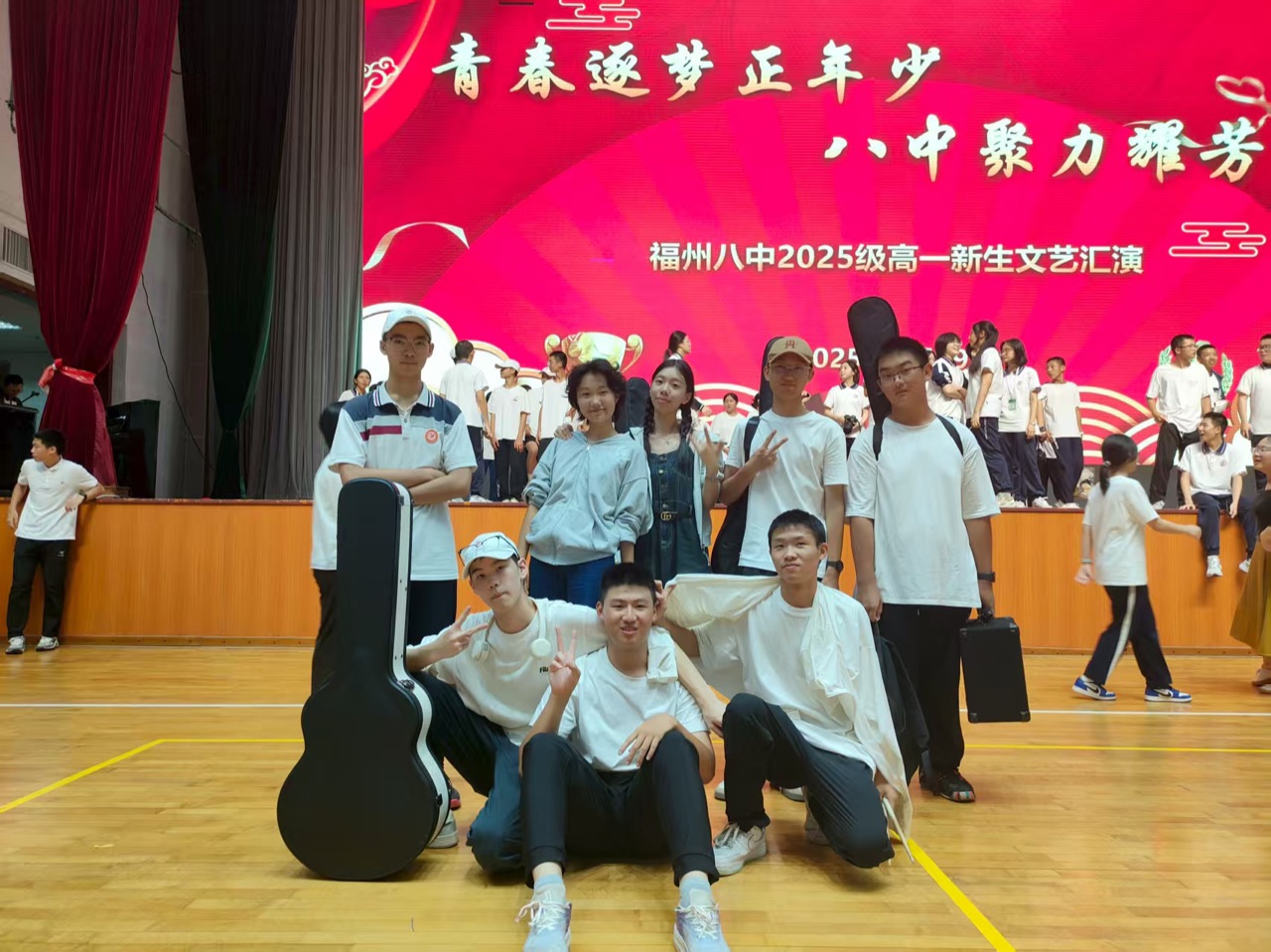
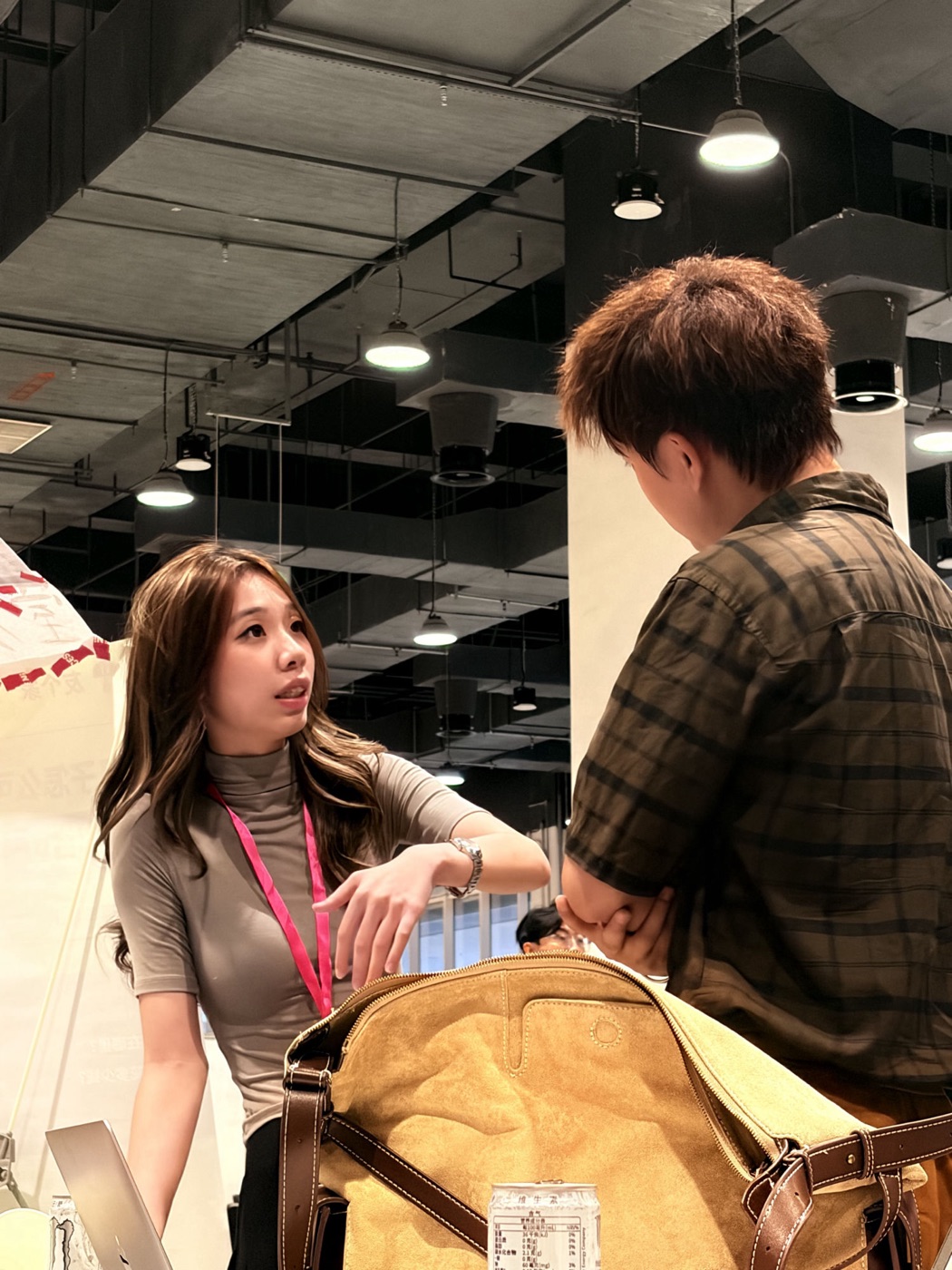
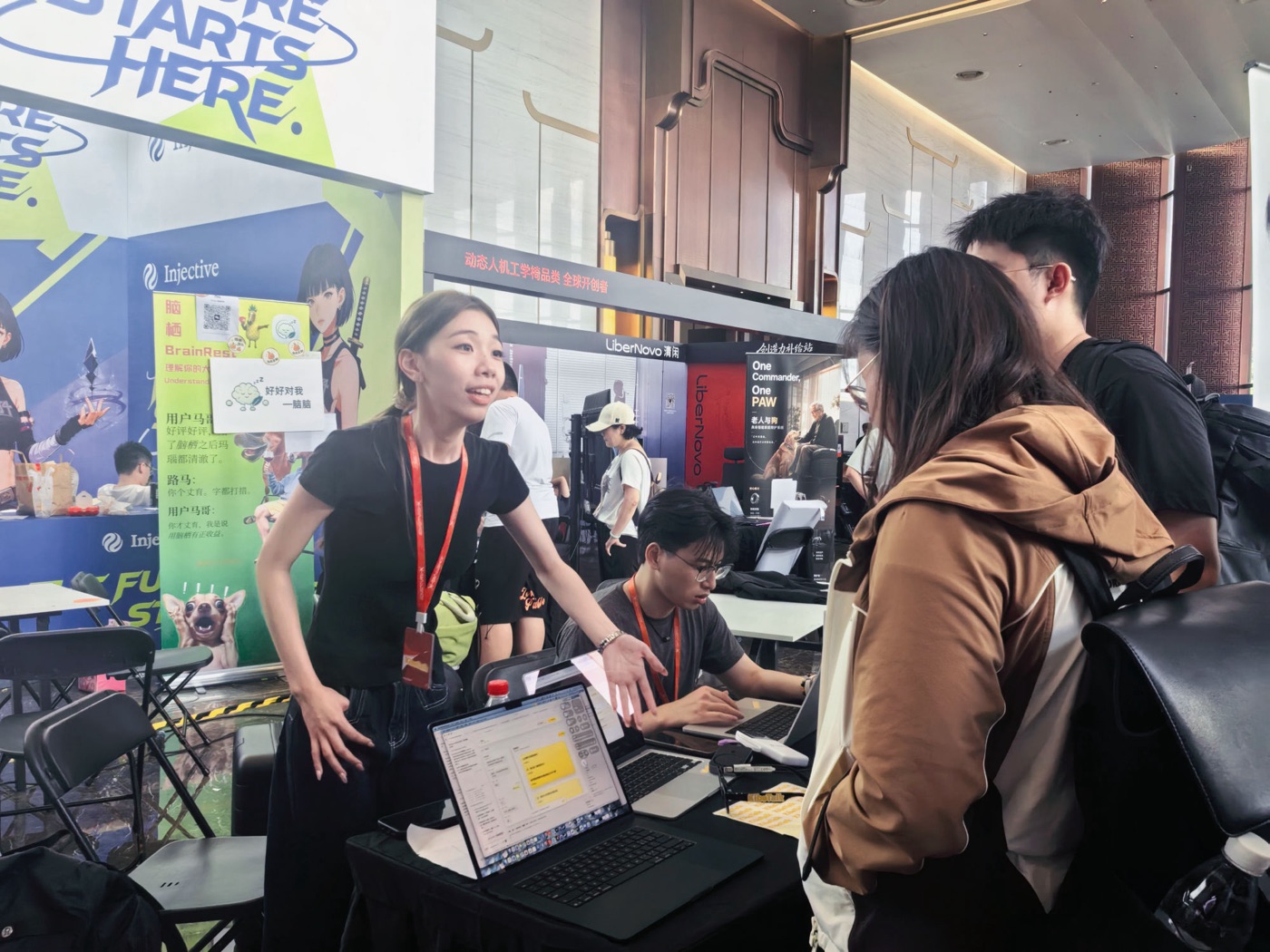
At school I'm the president of our business simulation club (纳思商业模拟社); outside school, I take club members out to run real street stalls. Three stalls in thirteen months — two Qixi flower sales and a tarot booth at the sports-meet flea market — each with cost accounting and a written profit-sharing agreement.
On campus: teaching, not just running
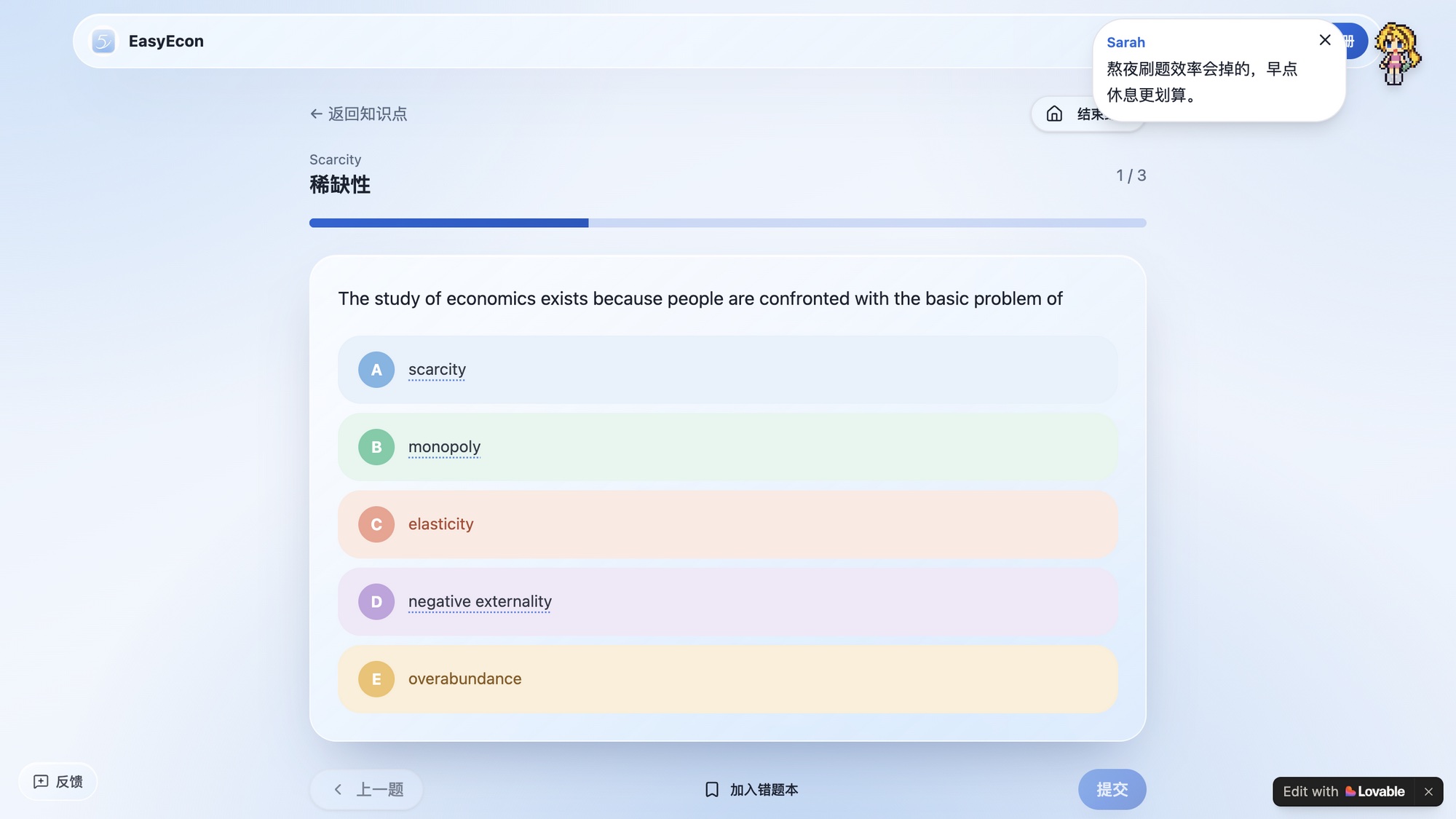
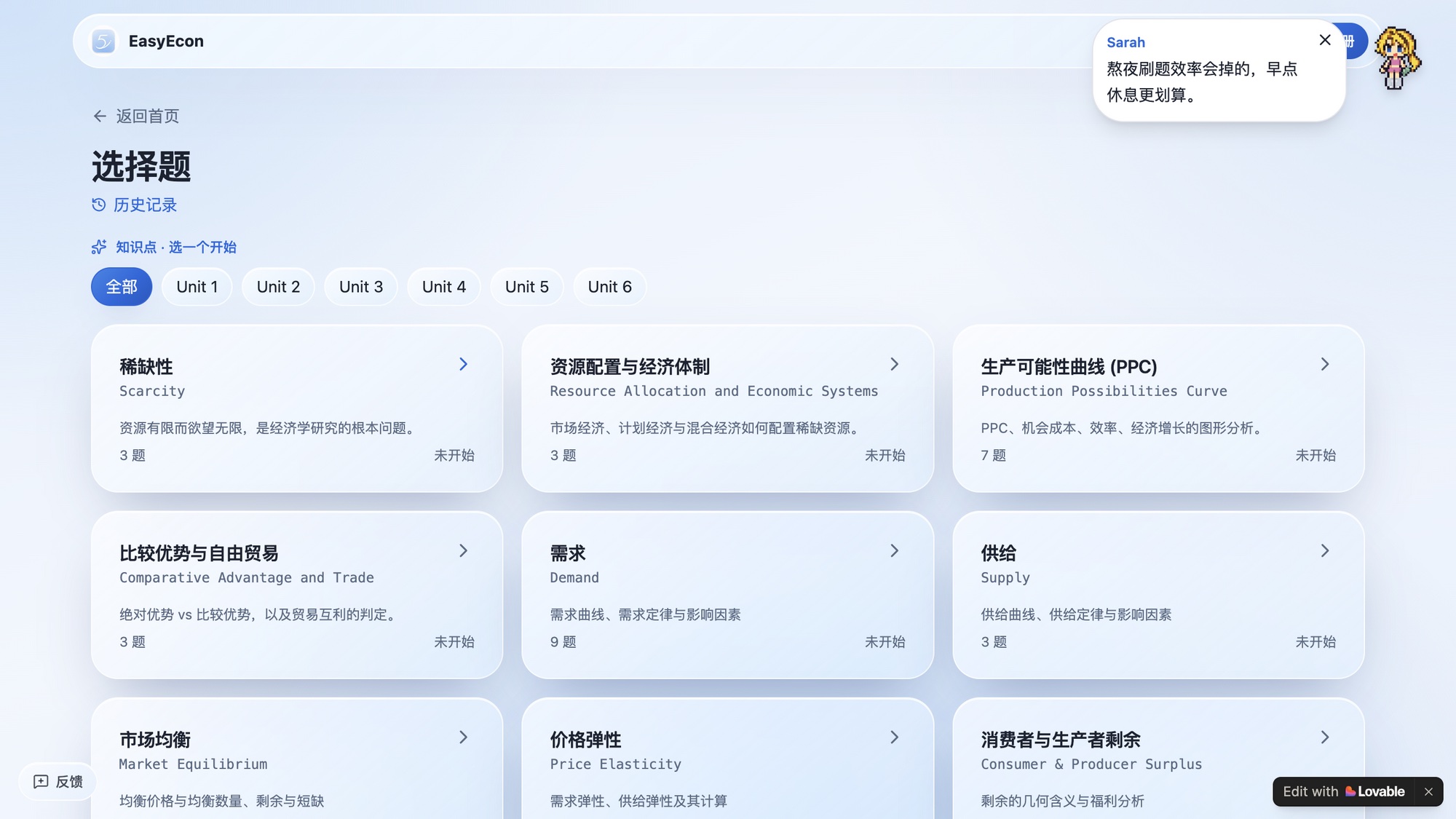
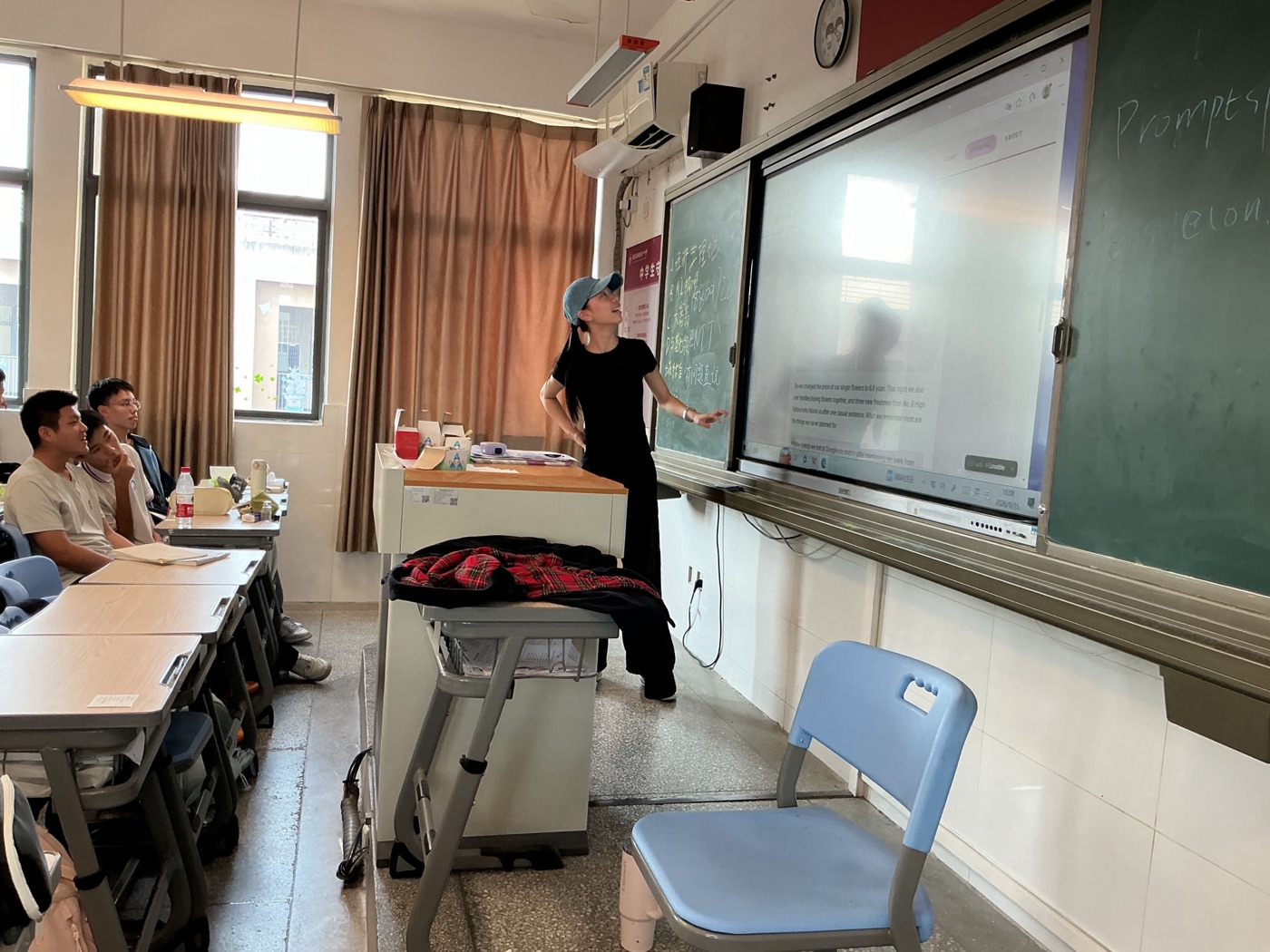
In Grade 11 I opened a year-long elective under the club's name for students on the gaokao track — 40 minutes a week, taught by me, with 50+ students enrolled. The course walks every team down one product spine: Problem → User → Product → Business → AI → Build → Test → Iterate — eight lessons plus a Demo Day, with Explorer / Builder / Product Owner roles in each team.
The classroom fills up. When I asked students what they wanted to learn, their notes said: economics, AI coding, monopoly simulations — and one wrote "I want to learn all of it."
Off campus: real stalls, real P&L
From Qixi 2025 to the sports meet in September 2026, the club ran three off-campus stalls: two flower sales and one tarot booth. Every stall starts with sourcing and pricing, and ends with costing, a written retrospective, and profit-sharing under a written agreement.
Inside the elective: teaching vibe coding
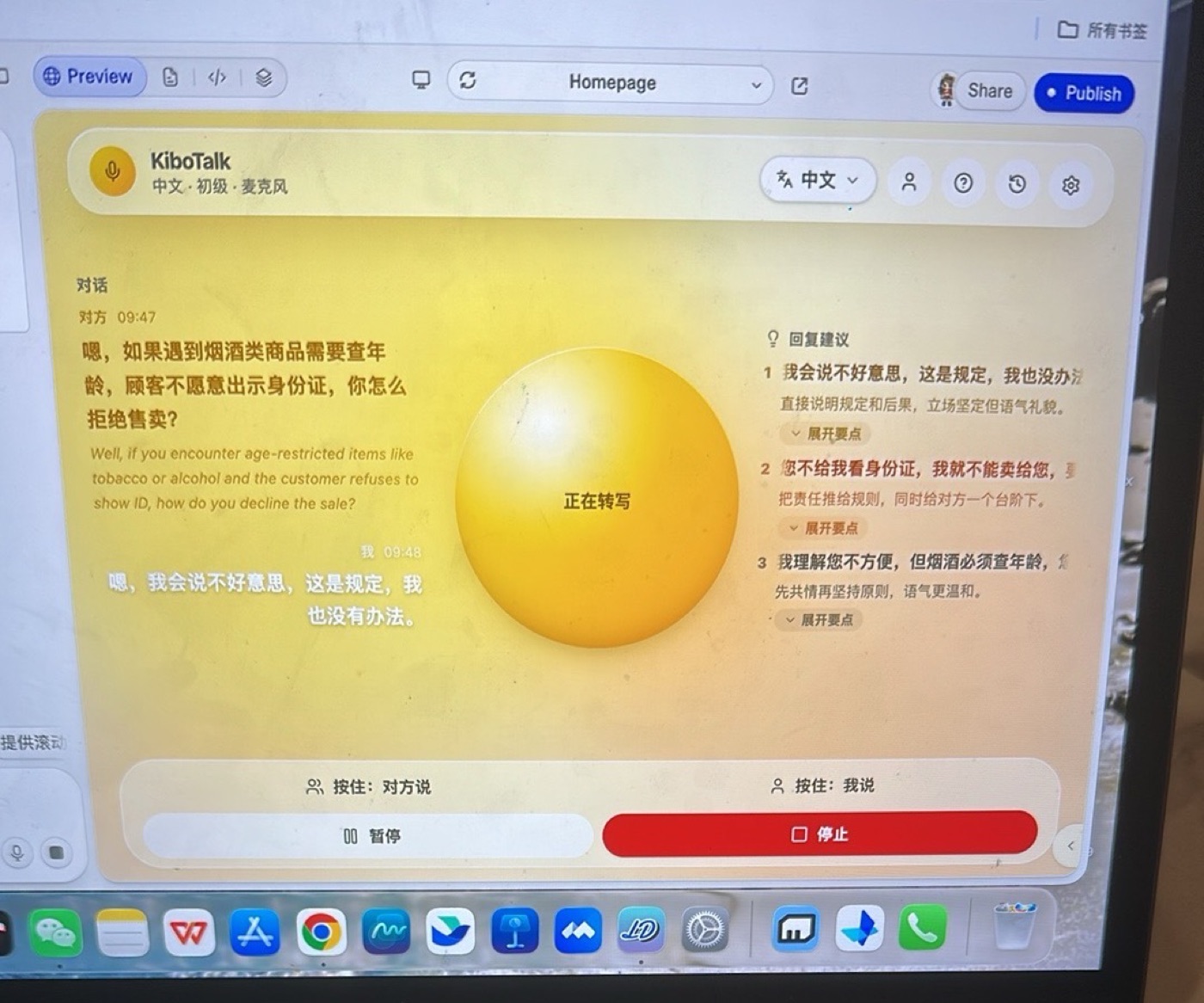
I teach this class because I want more people to feel what creating feels like — using AI to solve real problems around them. Class time is for judgment only: paper, pens, the blackboard and argument. Building is homework.
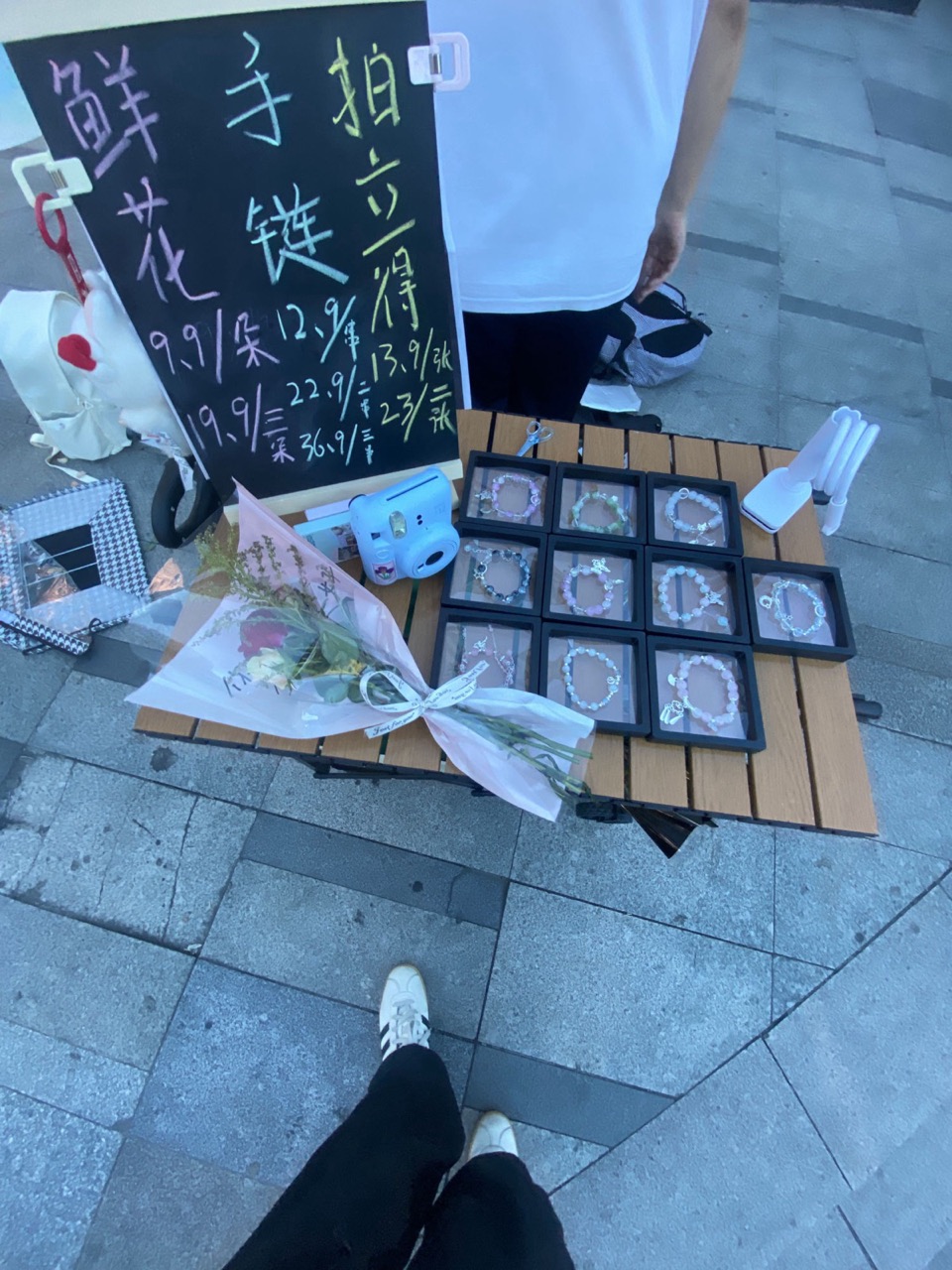
Stall #1: Qixi 2025 flower sale
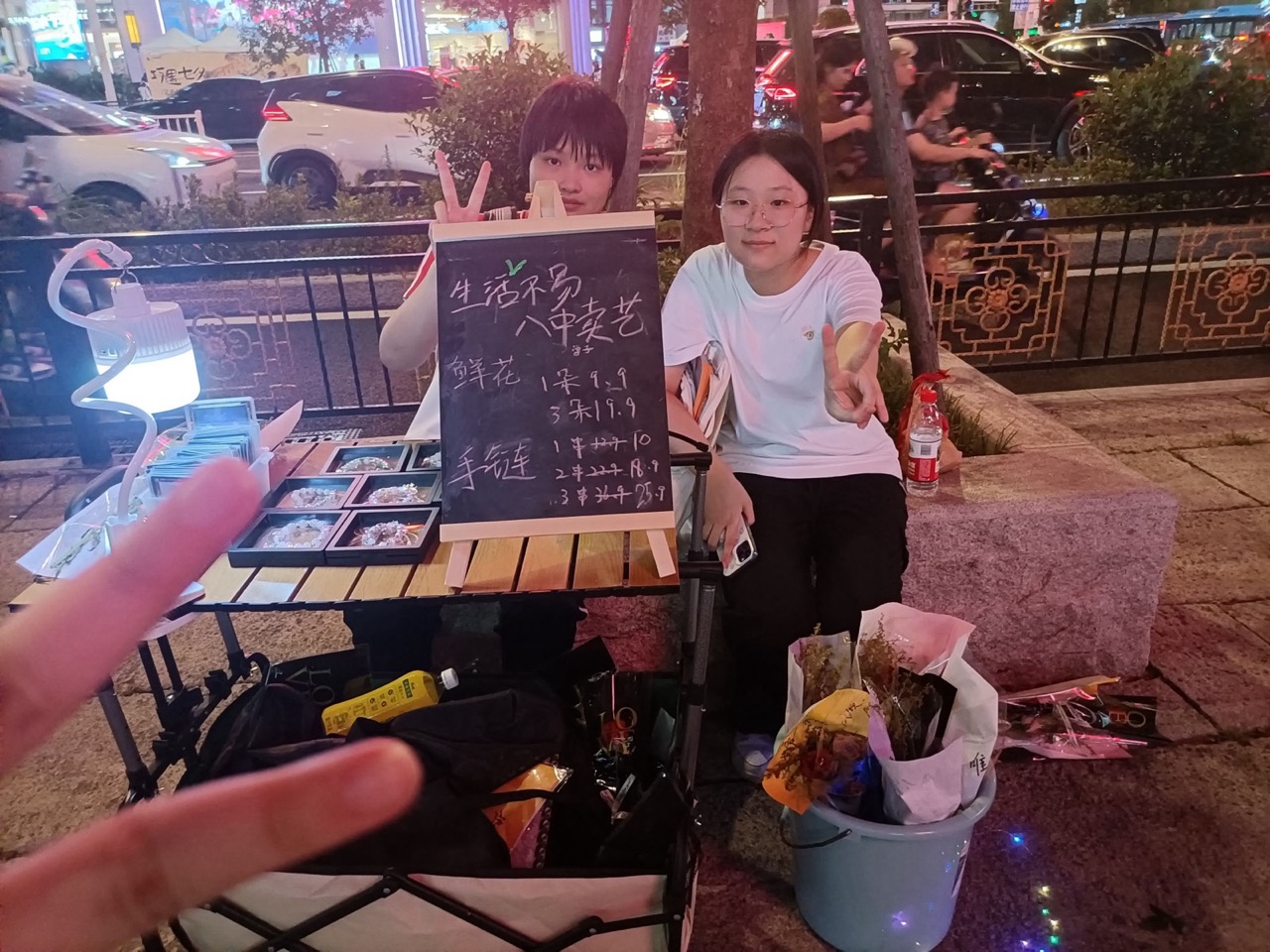
Aug 29, 2025 · first off-campus stall
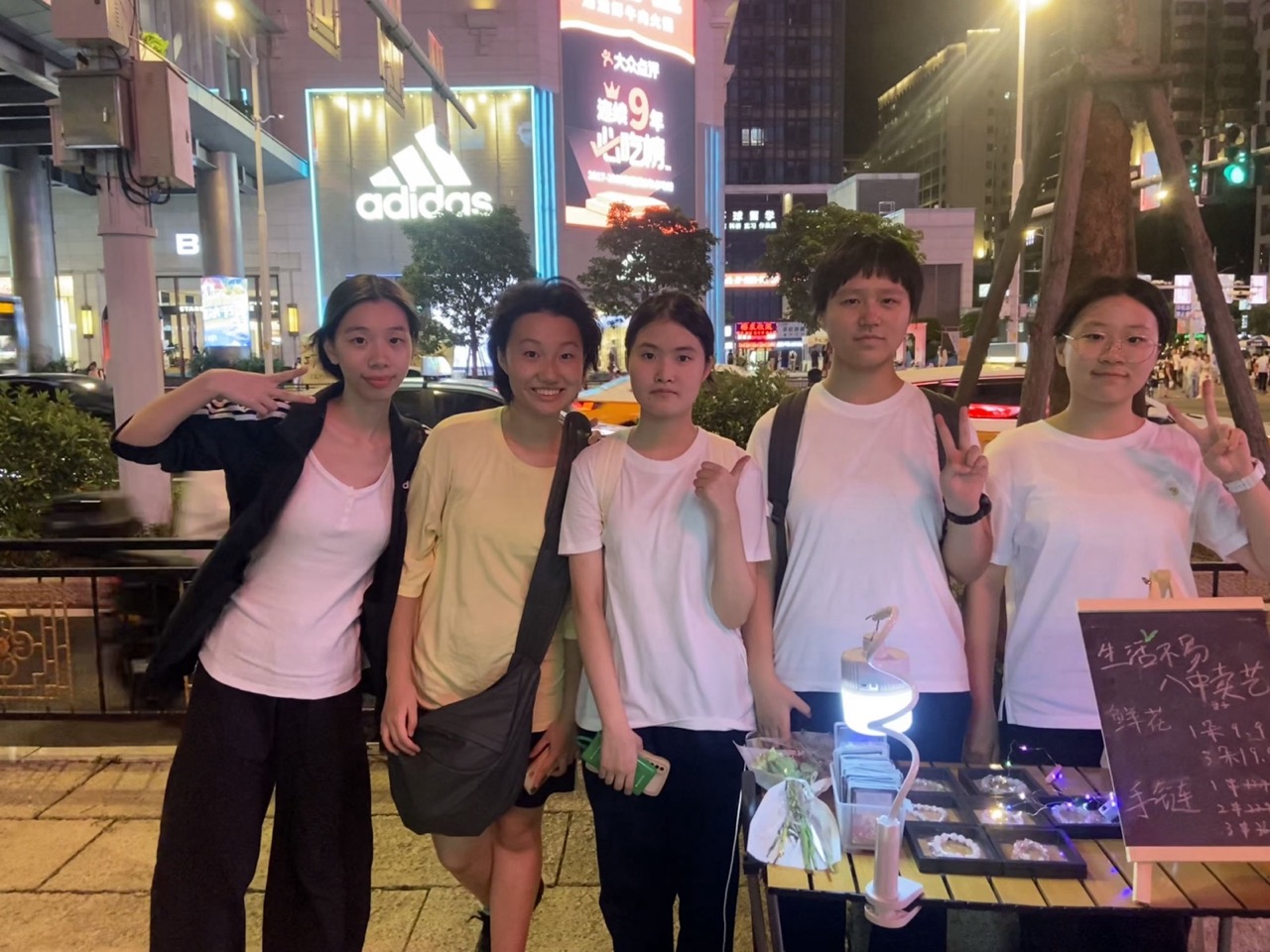
Fresh flowers, handmade bracelets, and a polaroid corner. The margin was modest, but we ran the full loop — sourcing, pricing, selling, and splitting the take under a written agreement.
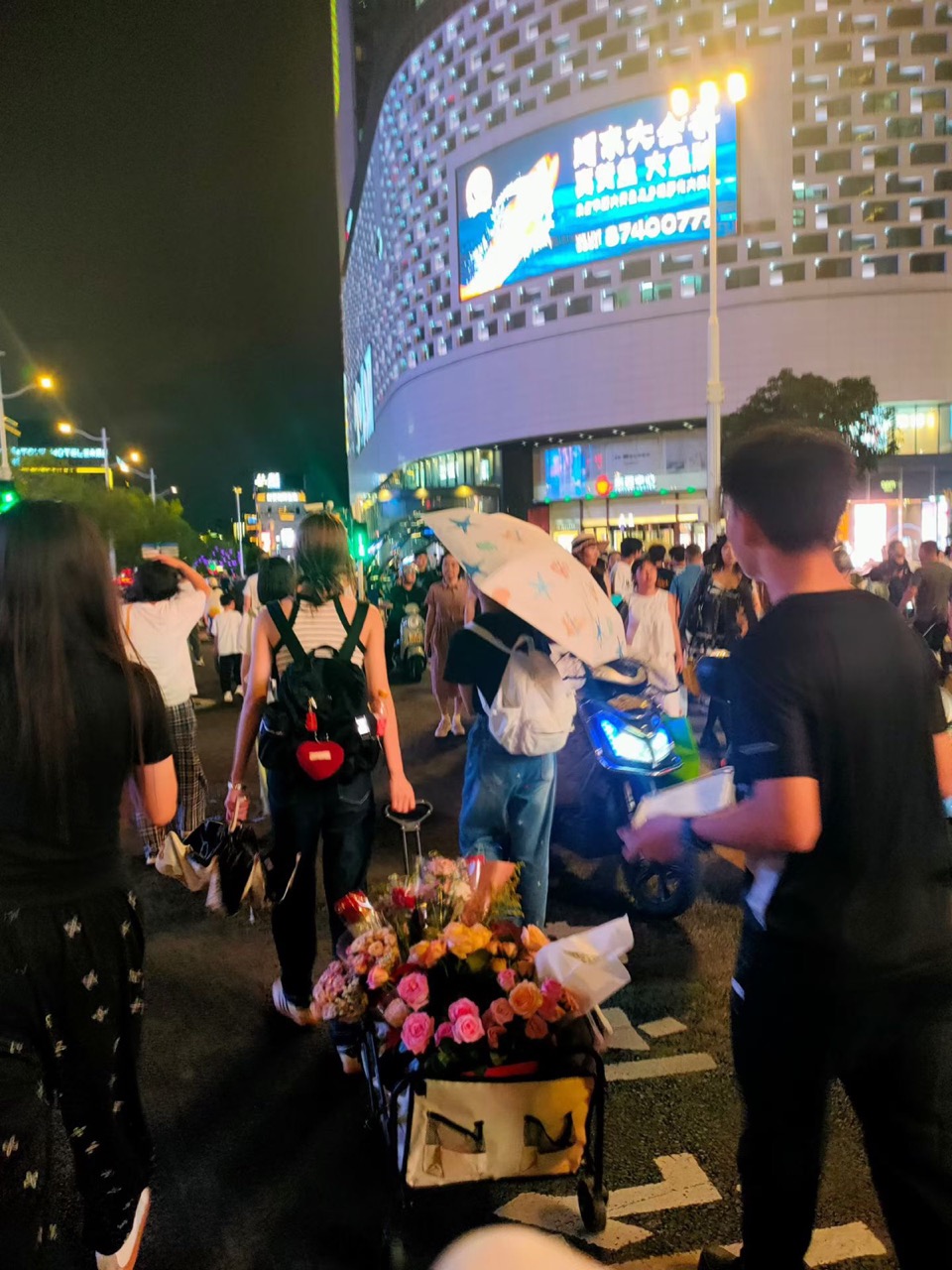
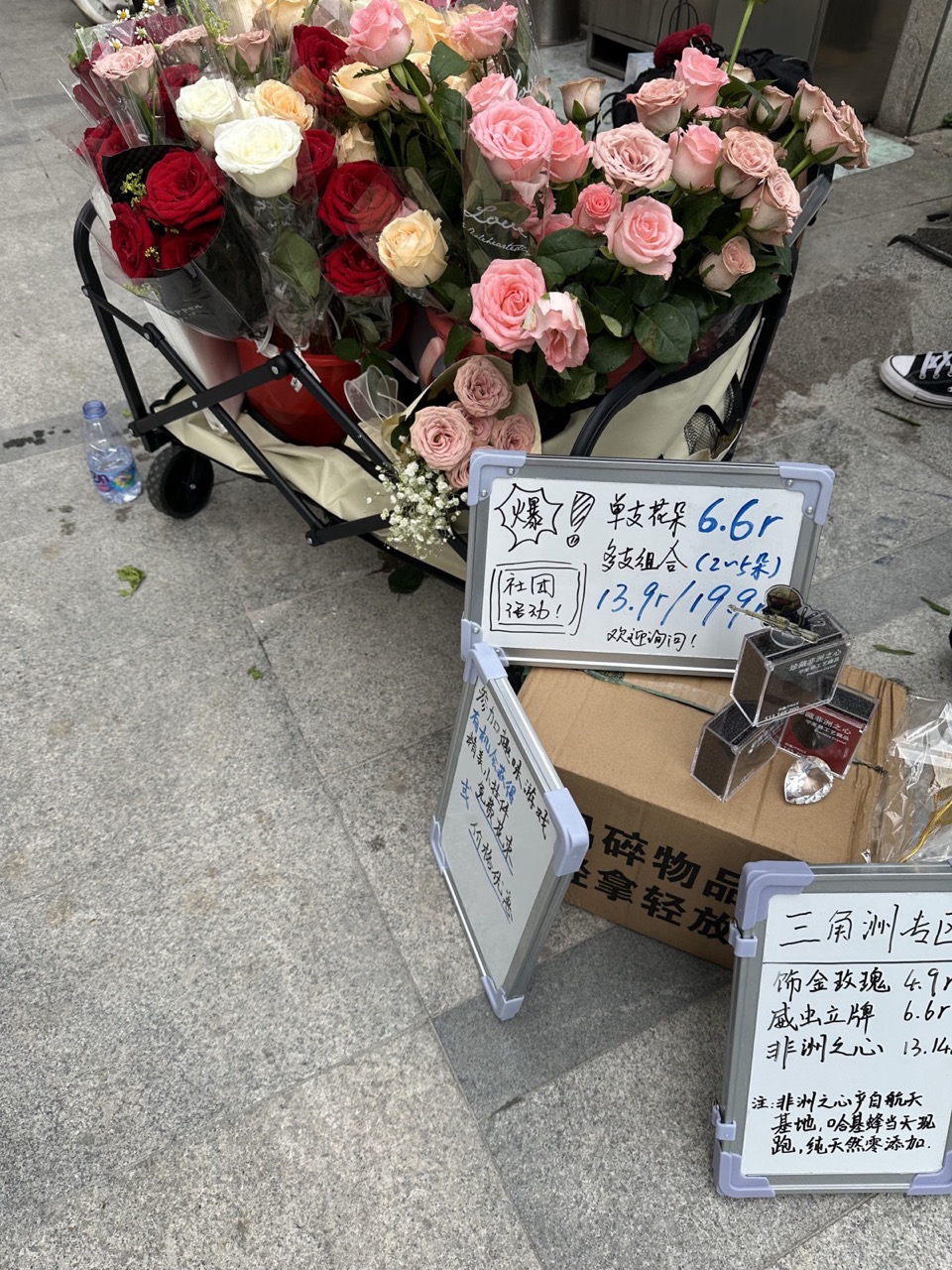
Stall #2: Qixi 2026 flower sale
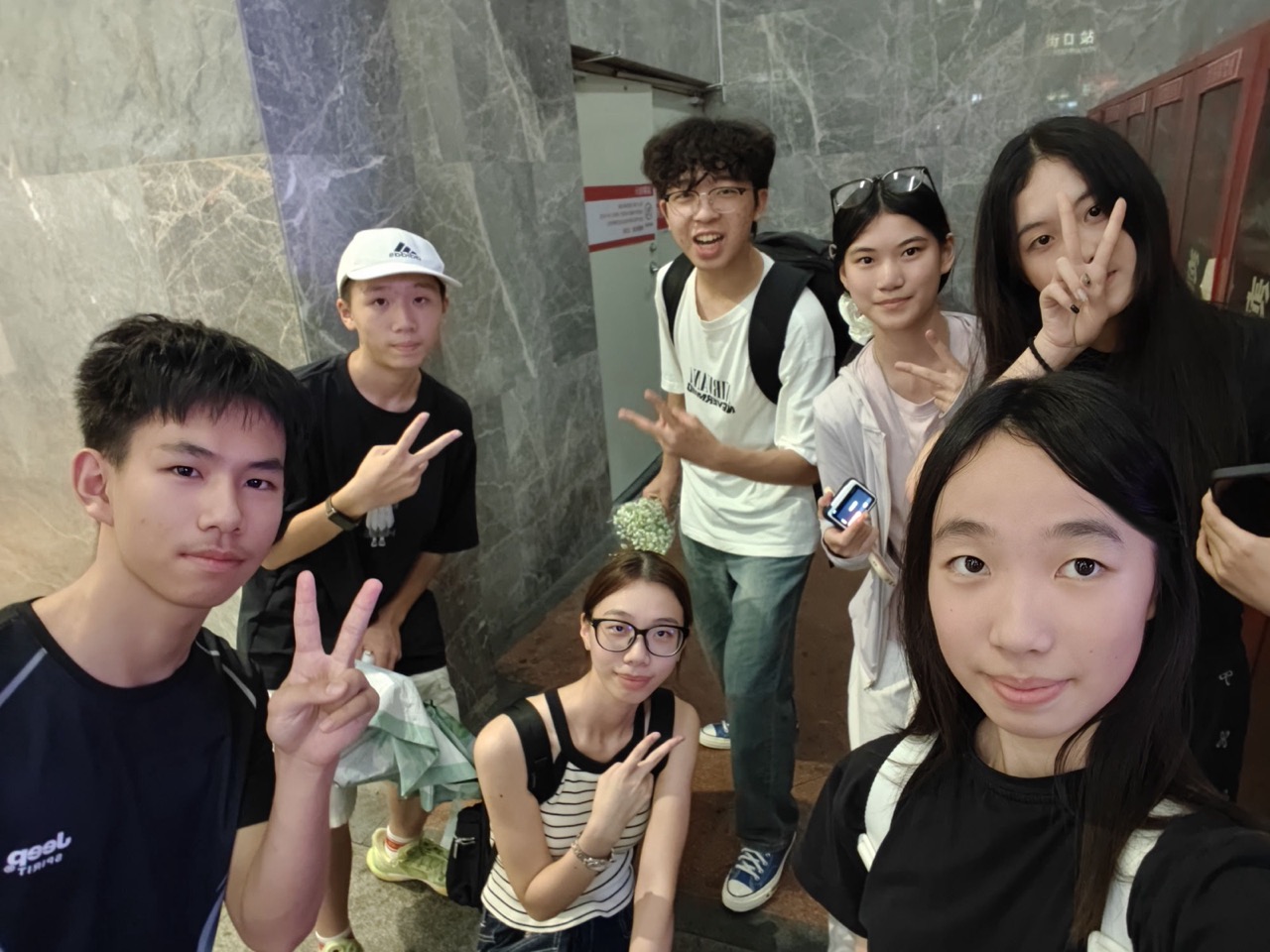
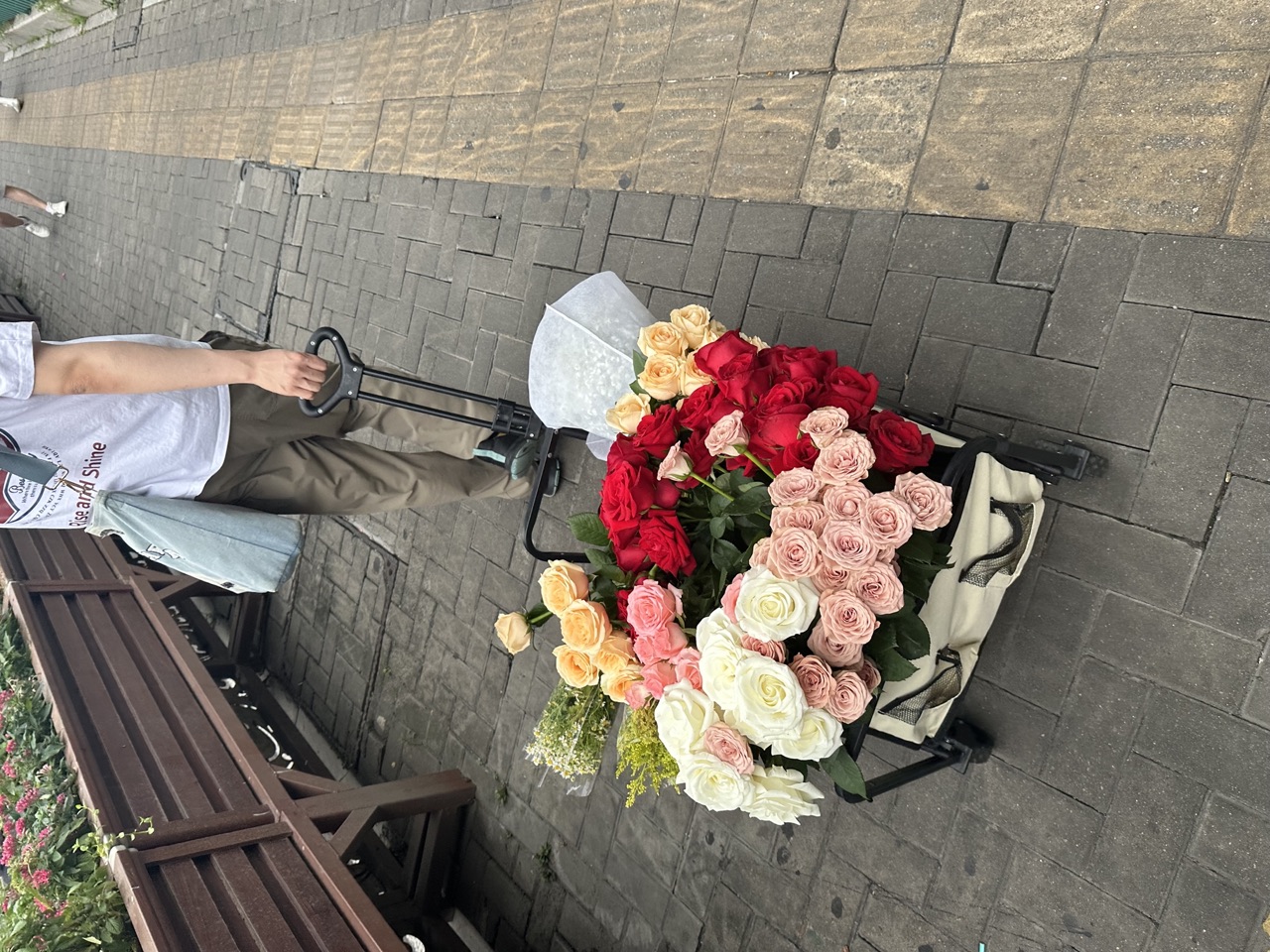
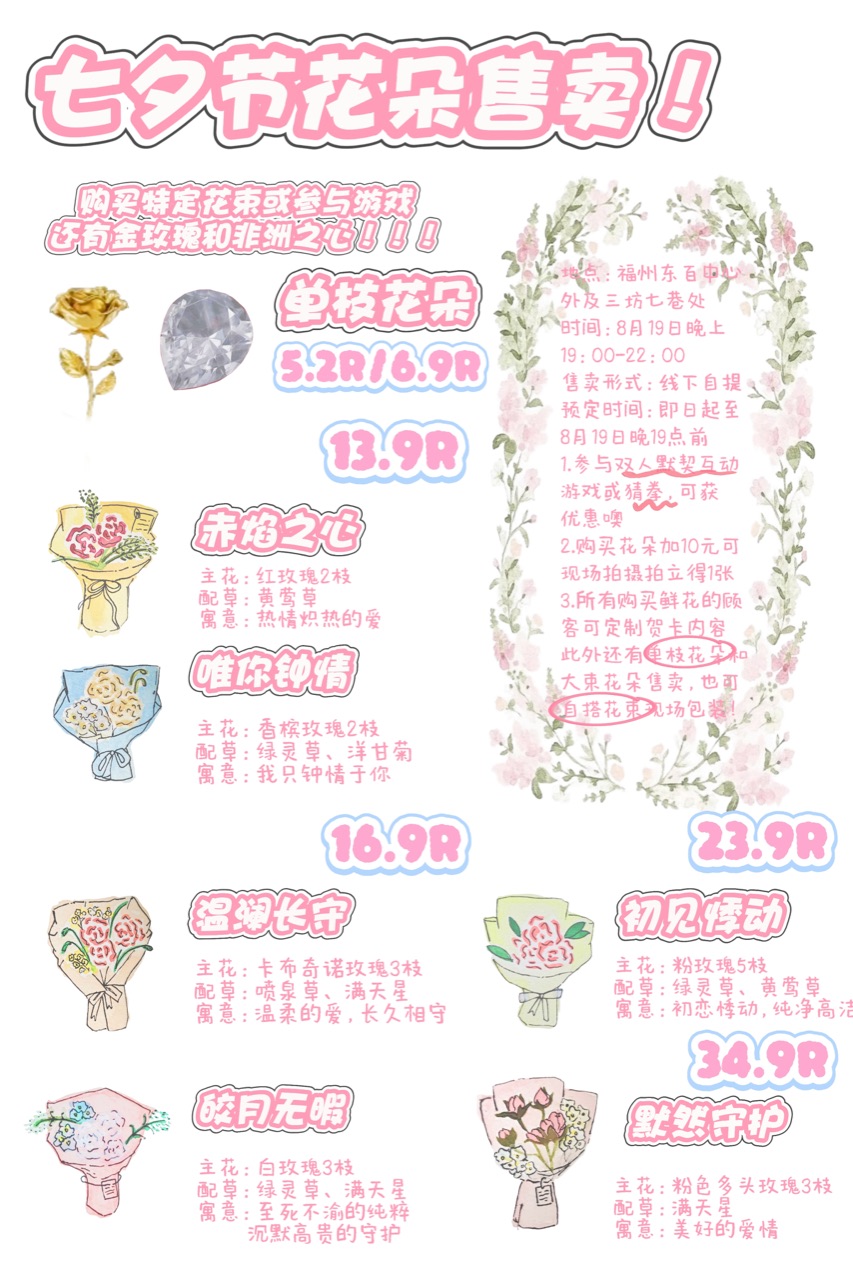
Aug 19, 2026 · 7 hours near Dongbai Center, Fuzhou
¥382.19cost
≈¥697revenue · 55 transactions
45.17%profit margin (target 30%)
100+stems, nearly sold out
Seven people split into departments — procurement, promotion, sales, finance — under a written profit-sharing plan. Compared with our first stall a year earlier, the scale, the division of labor, and the mechanics were all a level more complete.
What actually sold: single stems and flowers customers assembled on the spot. What didn't: pre-designed bouquets, our mini-games, and the polaroid add-on. The plan survived contact with the street for about an hour.
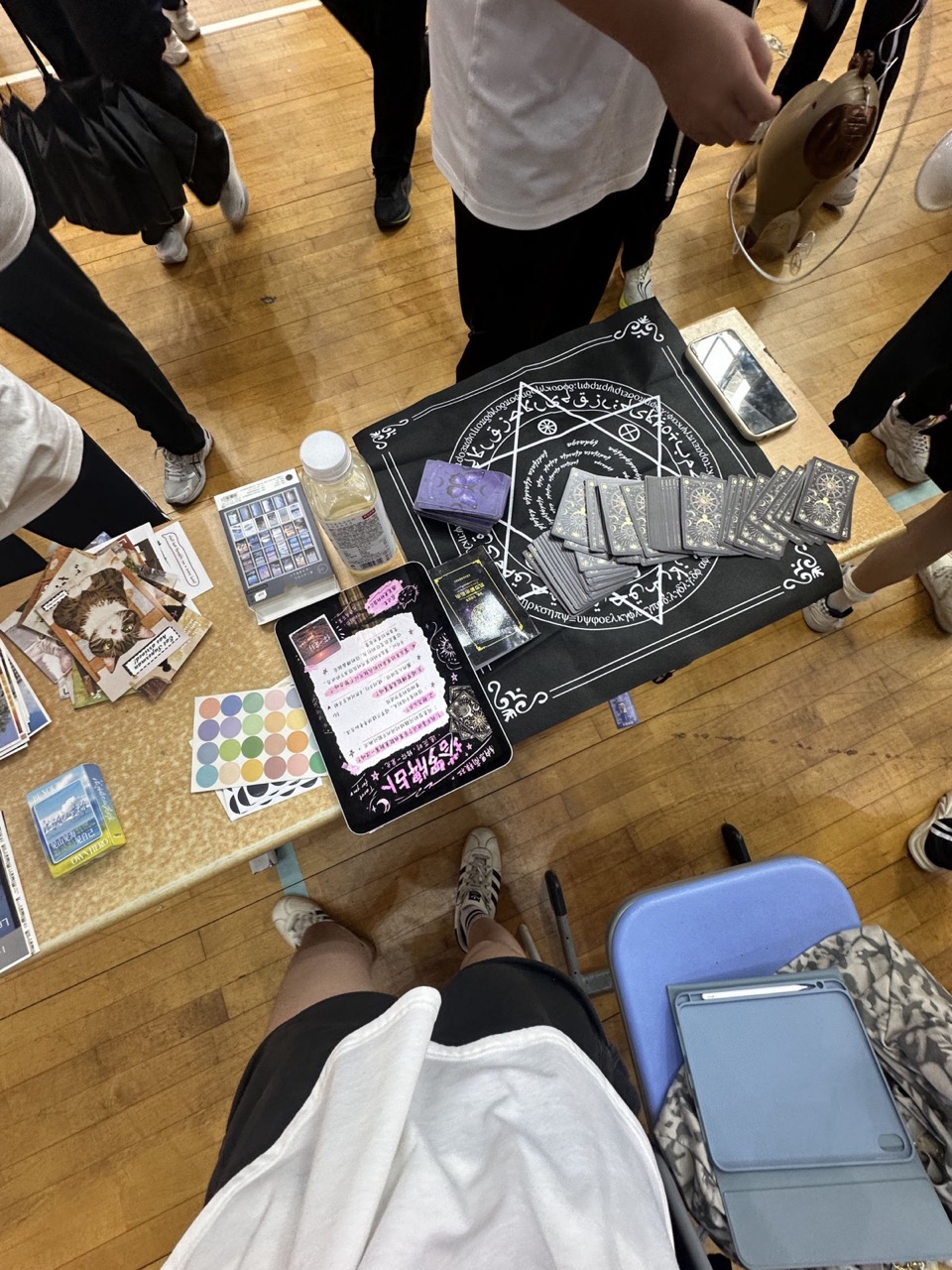
Stall #3: tarot readings at the sports-meet flea market
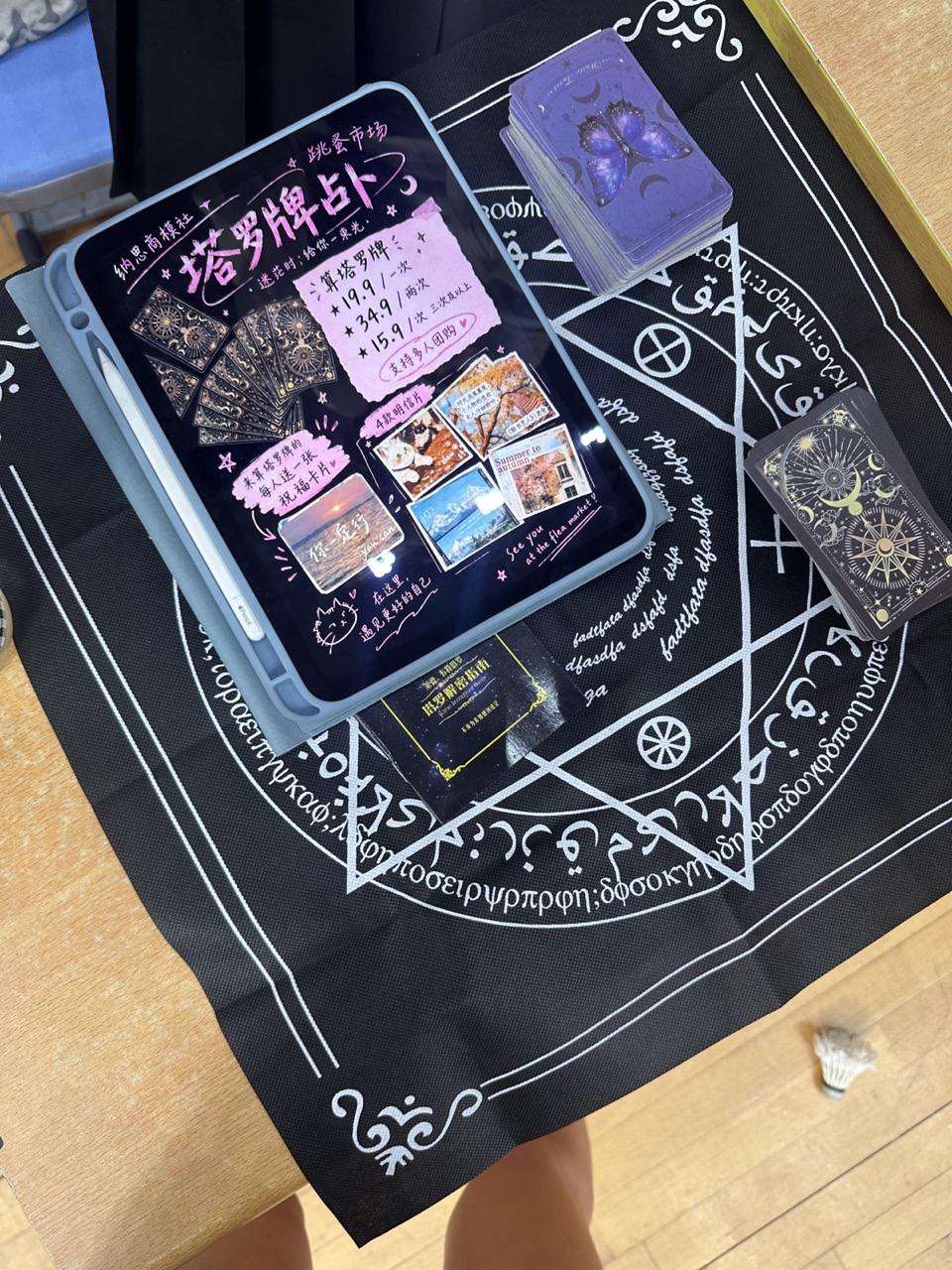
Sep 30, 2026 · school sports-meet flea market
¥13.7cost
¥163.32total profit
For the third stall we changed the product: tarot readings at the flea market. Nearly zero cost, and pricing works completely differently when what you sell is an experience, not a bouquet.
"Business isn't one sale that works. It's turning every miss into next time's playbook."